

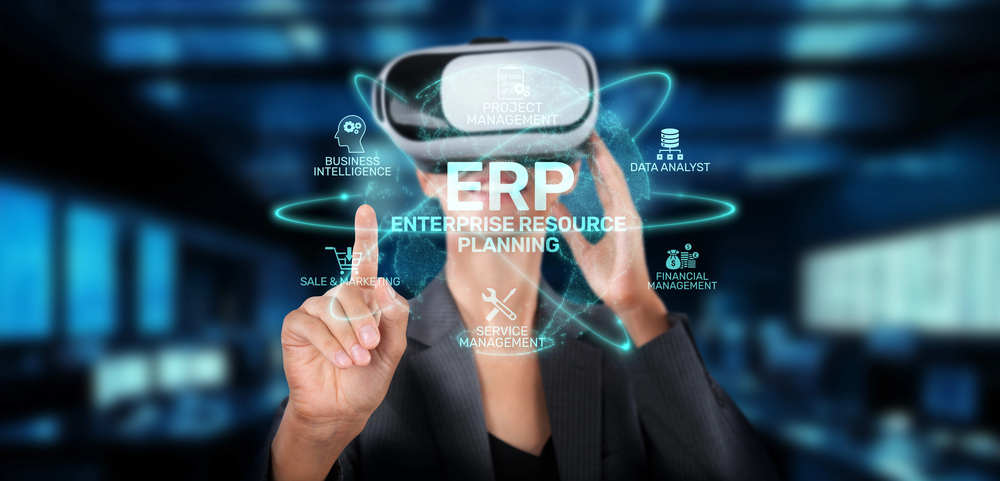
ERP systems continue to evolve from traditional back-office applications into strategic business platforms that support growth, efficiency, automation, and better decision-making. As organizations navigate economic uncertainty, labor constraints, margin pressure, and rising customer expectations, ERP solutions are becoming essential for connecting data, streamlining operations, and improving business visibility.
In 2026, the most successful ERP strategies will not focus only on replacing legacy systems. They will focus on building a connected, intelligent business platform that supports faster decisions, scalable processes, and continuous improvement.
From artificial intelligence and cloud adoption to advanced analytics, integration ecosystems, and stronger governance, the latest ERP trends are helping businesses become more agile, resilient, and competitive.
Here are the top ERP trends shaping business in 2026.
1. AI-Powered Automation
Artificial intelligence is quickly becoming a core component of modern ERP systems. Rather than simply recording transactions and managing business processes, today’s ERP platforms are beginning to analyze data, identify patterns, surface exceptions, and recommend next steps.
Businesses are increasingly using AI to support demand forecasting, financial planning, inventory optimization, anomaly detection, customer service, revenue analysis, and close management. These capabilities can reduce manual workloads, improve accuracy, and help employees focus on higher-value work.
AI-powered assistants and conversational interfaces are also making ERP systems easier to use. Employees can ask questions, generate reports, summarize trends, and access business information through natural language rather than relying only on traditional menus, saved searches, or static reports.
As AI capabilities mature, ERP systems will become more proactive. Instead of waiting for users to identify problems, modern ERP platforms will help teams anticipate risks, identify opportunities, and make data-driven decisions with greater confidence.

2. Cloud-First ERP Adoption
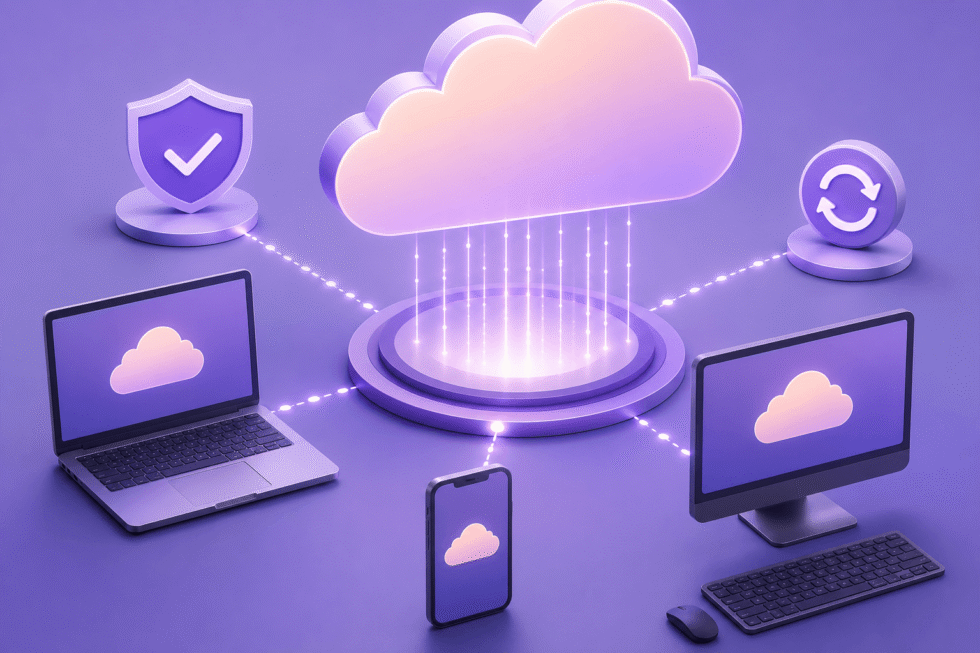
loud ERP has firmly established itself as the preferred deployment model for many growing and mid-market businesses. Organizations continue to move away from costly on-premises infrastructure in favor of cloud-based platforms that offer greater flexibility, scalability, accessibility, and continuous innovation.
One of the biggest advantages of cloud ERP is the ability to receive ongoing updates and new capabilities without disruptive upgrade projects. This allows businesses to adapt more quickly to changing market conditions while benefiting from improved performance, enhanced security, and lower internal IT maintenance requirements.
Cloud-based ERP also supports remote and distributed workforces by providing secure access to critical business information from virtually anywhere. For organizations with multiple locations, subsidiaries, e-commerce channels, warehouses, or field operations, cloud ERP provides a common operating platform that supports scale.
As digital transformation initiatives continue to accelerate, cloud ERP will remain a key enabler of business agility and innovation.
3. Real-Time Data and Analytics
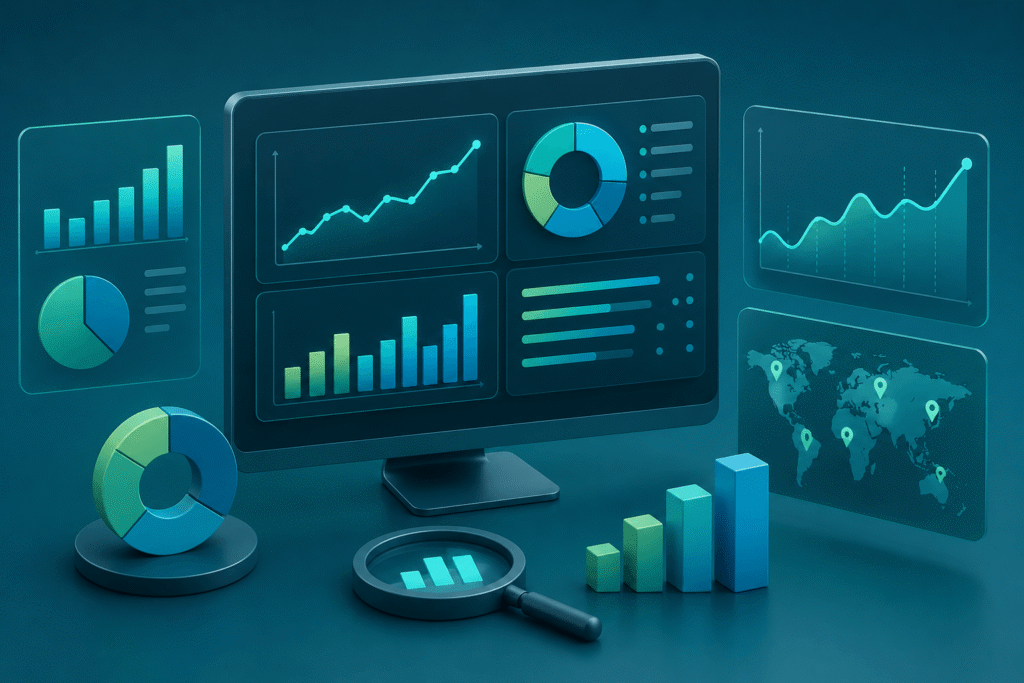
Organizations increasingly expect immediate access to accurate, up-to-date business information. Modern ERP platforms are evolving into centralized data hubs that provide real-time visibility into financial performance, supply chain operations, inventory levels, customer activity, and workforce productivity.
Advanced dashboards, embedded analytics, and role-based reporting allow decision-makers to monitor key performance indicators without relying on manual spreadsheets, disconnected reports, or delayed month-end analysis. This enables leaders to identify trends, respond to issues more quickly, and make decisions based on current business conditions.
Predictive analytics is also becoming more important within ERP environments. Businesses are using historical and real-time data to forecast demand, manage cash flow, evaluate profitability, optimize inventory, and improve resource planning.
In 2026, ERP analytics will be less about simply reporting what happened and more about helping leaders understand what is likely to happen next.
4. Industry-Specific Solutions
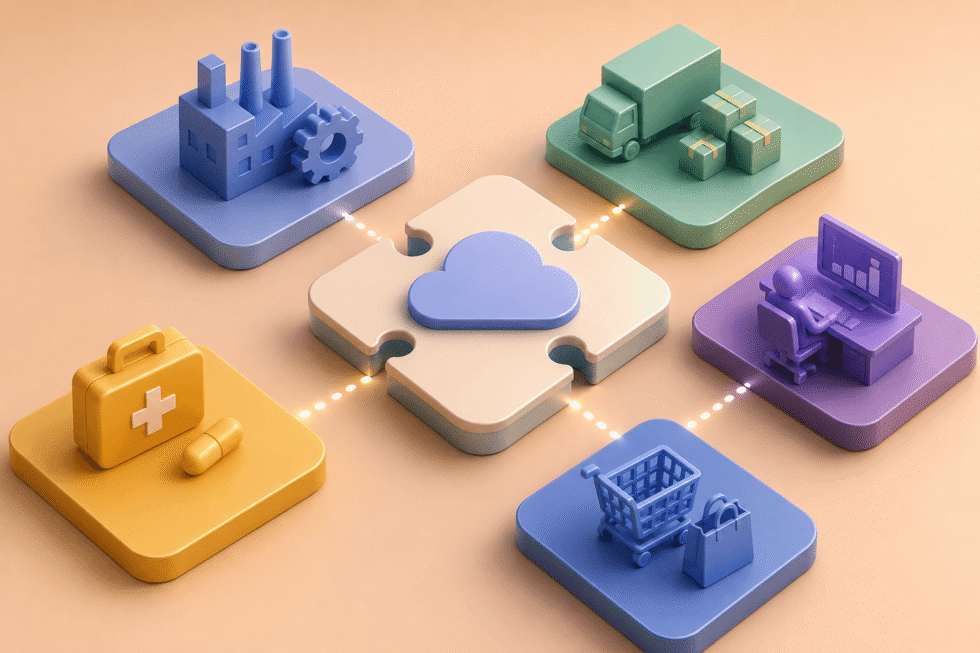
Businesses are increasingly seeking ERP solutions designed for their industry rather than relying on heavily customized generic platforms. Industry-specific ERP functionality can provide prebuilt workflows, reporting structures, compliance features, and operational capabilities that align with unique business requirements.
Manufacturers often need production planning, inventory control, bill of materials, work order, and shop floor management capabilities. Distributors need strong warehouse, procurement, order management, and fulfillment controls. Professional services firms may prioritize project accounting, resource planning, utilization, and revenue recognition. Software and technology companies often need subscription billing, multi-entity management, and advanced reporting.
By reducing the need for extensive customization, industry-focused ERP solutions can accelerate implementation timelines, lower project risk, improve user adoption, and create a stronger foundation for long-term scalability.
5. Integration Ecosystems Become a Critical Buying Factor
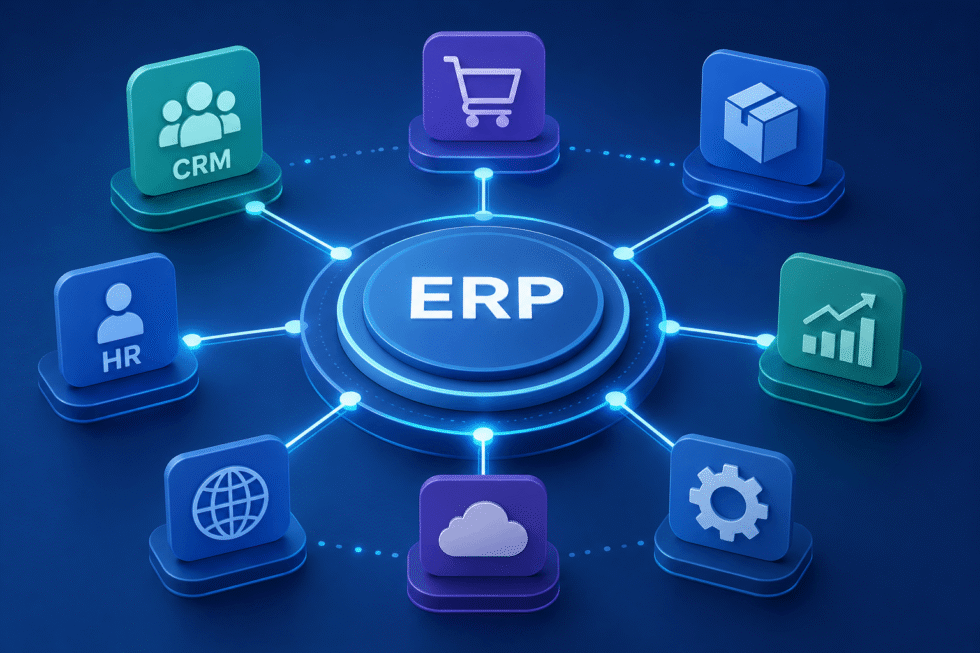
ERP systems are now the central hub of the modern business technology stack. Rather than operating as standalone platforms, they increasingly need to connect with CRM systems, e-commerce platforms, HR software, supply chain applications, business intelligence tools, payment platforms, tax engines, banking tools, and third-party industry solutions.
Open APIs, prebuilt connectors, SuiteApps, integration platforms, and middleware tools make it easier for organizations to create seamless data flows across departments and applications. Strong integration capabilities help eliminate information silos and ensure employees have access to consistent, accurate data regardless of which system they use.
This is especially important as businesses adopt specialized software to solve specific operational challenges. ERP platforms that support a strong integration ecosystem will be better positioned to support growth, automation, and future technology adoption.
In 2026, integration should not be treated as a technical afterthought. It should be part of the ERP strategy from the beginning.
6. Security, Compliance, and AI Governance Move Higher on the Agenda
As more sensitive business and customer data flows through ERP systems, security and compliance have become top priorities. Organizations need confidence that their ERP platform can protect critical information while supporting evolving regulatory, audit, and industry requirements.
Modern ERP providers continue to invest in cybersecurity measures such as encryption, multi-factor authentication, role-based access controls, automated monitoring, audit trails, and threat detection. These capabilities help reduce risk while improving visibility into system activity.
AI also introduces new governance considerations. As businesses begin using AI for reporting, automation, forecasting, and decision support, they need clear policies around data access, model outputs, approval workflows, and human oversight.
ERP leaders should evaluate not only what AI can automate, but also how the organization will validate, govern, and monitor those capabilities.

7. Mobile and Remote Workforce Support
Today’s workforce expects access to business systems regardless of location. Whether employees are working remotely, traveling, managing field operations, or approving transactions after hours, they need the ability to access critical information and complete tasks from mobile devices.
ERP vendors are responding by delivering mobile-friendly and mobile-first experiences that allow users to review dashboards, approve purchase orders, monitor performance metrics, enter expenses, manage inventory, and collaborate with team members from smartphones and tablets.
As hybrid work models continue to evolve, mobile ERP functionality will play an increasingly important role in maintaining productivity, improving responsiveness, and supporting business continuity.
Mobile ERP is no longer just a convenience. For many organizations, it is becoming a core requirement for operational efficiency.

8. Intelligent Workflows and Process Optimization
Organizations are using ERP systems to streamline workflows and eliminate inefficiencies across departments. Automated workflows reduce manual intervention by triggering actions, approvals, alerts, and notifications based on predefined business rules.
AI is enhancing workflow automation by recommending next steps, identifying bottlenecks, detecting exceptions, and helping teams prioritize tasks more effectively. These capabilities can improve accuracy, accelerate processes, and reduce the risk of human error.
Examples include automated invoice routing, purchase approval workflows, customer credit reviews, inventory replenishment alerts, revenue recognition processes, financial close tasks, and exception-based reporting.
As businesses continue to seek operational efficiencies, intelligent workflow automation will become one of the most valuable features within modern ERP platforms.

9. Data Quality and Change Management Become Essential to ERP Success
Technology alone does not guarantee ERP success. As ERP systems become more intelligent, connected, and automated, organizations must place greater emphasis on data quality, process discipline, user training, and change management.
AI, analytics, and automation are only as effective as the data and processes behind them. Inconsistent item records, incomplete customer data, weak chart of accounts design, poor role security, and disconnected workflows can limit the value of even the most advanced ERP platform.
Successful organizations will invest in strong implementation planning, clean master data, clear ownership, role-based training, and ongoing optimization. ERP should not be viewed as a one-time project. It should be managed as a long-term business platform that evolves with the organization.
In 2026, the companies that get the most value from ERP will be those that combine modern technology with strong governance, disciplined execution, and continuous improvement.

Looking Ahead
To avoid common pitfalls when adopting AI please read: Why AI Projects Fail in ERP and How to Avoid It
The future of ERP is defined by intelligence, connectivity, and automation. Organizations are no longer looking at ERP systems as simple transaction-processing tools—they are investing in platforms that support strategic decision-making, operational excellence, and long-term growth.
Businesses that embrace AI-powered capabilities, cloud infrastructure, advanced analytics, and integrated ecosystems will be better positioned to adapt to changing market conditions, improve efficiency, and deliver stronger customer experiences. As ERP technology continues to evolve, it will remain at the center of digital transformation initiatives across virtually every industry.
About Suite Answers That Work
Suite Answers That Work is a NetSuite Solutions Provider with 30+ years of combined experience. We specialize in NetSuite implementation, optimization, integration, rapid project recovery, rescue services, and custom development.
Every business is unique, but with 40+ NetSuite clients over the last six years, our consultants have likely seen your challenge or created a similar solution.
If you would like more information about NetSuite, ERP optimization, or AI-enabled business process improvement, contact us today.